


PTT POY
Description
Technical Parameters

SHENGFA: Your Professional Synthetic Fiber Material Supplier!
Jiaxing Shengfa Trading Co., Ltd. is a comprehensive textile enterprise that integrates research, development, production, and sales. With over ten years of professional experience, we are dedicated to the production of warping heads, providing efficient warping solutions for our customers. The company currently employs over 100 individuals, including professional technical personnel and an experienced production team.
Our Advantages
Innovation-Based Product
We focus on innovation to meet diverse customer needs. Our main products include processing warping heads, well-warped heads, composite yarns, bright yarns, semi-dull yarns, polyester mother yarns, nylon mother yarns, and specialty yarns.
Customized Services Available
As a customer-oriented enterprise, we provide customized services for various textiles, composite yarn raw materials, and warping heads. We also assist customers in sourcing various textile products domestically, providing comprehensive solutions.
Extensive Sales Market
With excellent quality and excellent service, our products are exported to Germany, Europe, the United States, Singapore, South Korea, the Middle East, South America, and other countries and regions.
24-Hour Service
Our professional team can analyze and take samples based on the samples provided by customers to provide high-quality references. We can quickly solve any problems customers encounter.
Synthetic Fiber Materials for Sale Display

Specialty composite yarns are created by blending or twisting fibers with different properties, often using advanced manufacturing techniques. These yarns may incorporate fibers with varying strengths, textures, colors, or other attributes.

Recycled Eco-Friendly Composite Yarn
Recycled eco-friendly composite yarn refers to a type of yarn that is produced using recycled materials and environmentally friendly manufacturing processes. These yarns can be made from a variety of recycled materials, including post-consumer recycled polyester, recycled cotton, recycled nylon, and recycled wool.
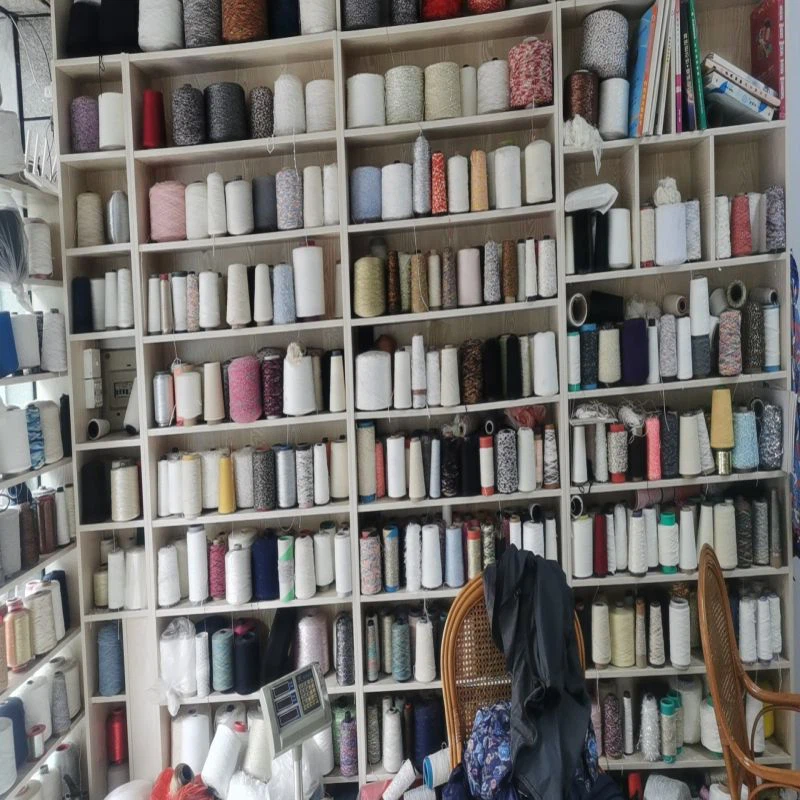
Fancy yarn for wool sweaters refers to a type of yarn specifically designed to add decorative or ornamental effects to woolen sweaters. They are often characterized by their irregular or uneven structures, which are achieved through techniques such as slubbing, twisting, looping, or plying.

Fancy Yarn for Women's Fashion
Fancy yarn for women's fashion refers to specialized yarns designed to enhance the aesthetic appeal of women's clothing and accessories. Common types include slub yarn, boucle yarn, chenille yarn, ribbon yarn, and ladder yarn, etc.
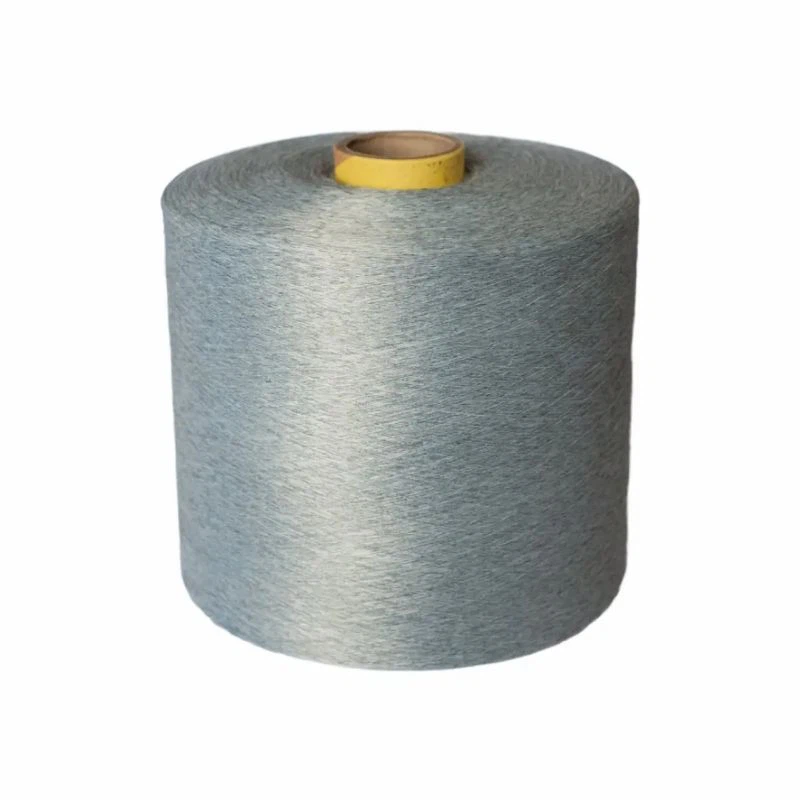
Functional Composite Yarns are popular. By combining different fibers or materials, we can tailor the properties of the yarn to meet specific functional requirements, leading to enhanced comfort, durability, safety, and functionality in textile products.

PTT POY yarns also offer good resistance to chemicals, moisture, and abrasion. They are known for their low pilling tendency, which means they are less likely to form small balls of tangled fibers on the surface of fabrics.

PBT POY yarns are commonly used in various applications. They are often used in the textile industry for producing fabrics and garments with desirable properties such as durability, wrinkle resistance, and colorfastness.

Stretch Highly Oriented Yarn undergoes a meticulous process to achieve a high level of orientation, resulting in enhanced strength and resilience. From activewear and sportswear to medical textiles, this yarn finds its place in different applications.

Partially Oriented Yarn (POY) is a type of polyester filament yarn that has been partially stretched during the manufacturing process but not fully oriented. It is produced by extruding polyester chips through a spinneret, then stretching the filaments to a certain degree before they cool down and solidify.
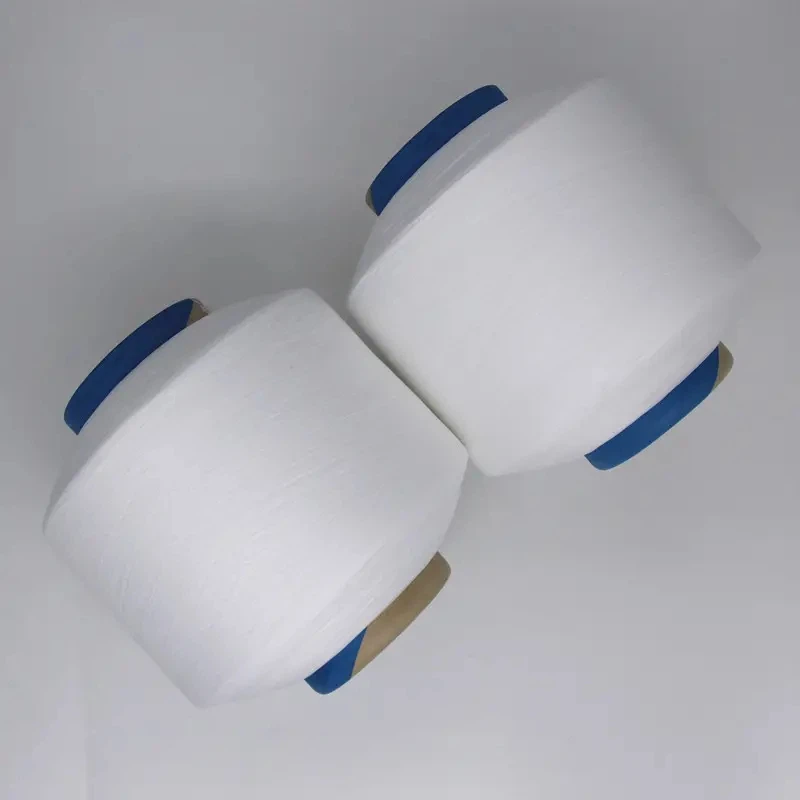
Synthetic fibres are man-made fibres, and most of them are prepared from raw material petroleum called petrochemicals. All fabrics are obtained from fibres, while fibres are obtained from artificial or man-made sources. They consist of a small unit or a polymer which is made from many repeating units known as monomers. They include nylon, acrylics, polyurethane, and polypropylene. Millions of tons of these fibres are produced all over the world each year.
Types of Synthetic Fiber Materials
Nylon
Nylon is one of the most used synthetic fabrics; Since it was produced as a replacement for silk by DuPont, it has had unprecedented growth in usage across all sectors – apparel, industrial, home furnishing, automatic, construction, etc. The nylon fabric is preferred for its qualities like strength, resistance to abrasion, flexibility, quick-drying, water resistance, etc.
Polyester
Polyester was another discovery by the DuPont company. It is now the most popular apparel fabric in the world. The durability and strength of polyester fabric along with its cost-effectiveness and easy maintenance make it the chosen fabric for most fast-fashion labels.
Acrylic
Acrylic, a fabric that closely resembles wool fabric is a pure synthetic fabric. It is understandably made as a substitute for wool. You get acrylic wool yarn which can be knitted into fabric or you can buy acrylic clothing at a fraction of the price of wool, but just as warm and soft. In fact, many wool garments that you buy may be made of acrylic. The uninformed person can easily be fooled because of its close resemblance to wool in softness and appearance.
Spandex
Spandex is a true blue synthetic fabric made of Polyurethane with a lot of elasticity; an alternative name for spandex is Elastane. It can stretch up to 400% of its original length and spring back in the same condition. It is lightweight and can wick moisture from the body. This fabric is the most popular choice for clothing that requires flexibility like sports apparel, exercise wear, form-fitting clothes, swimwear, etc. Most of the casual clothing today will have some amount of spandex fibers woven into its fabric.
Olefin
"Olefin fiber is a synthetic fiber made from a polyolefin, such as polypropylene or polyethylene". It is not much of an apparel fabric but it is widely used in home furnishing, making ropes, etc. It is one of the most environmentally friendly fabrics among synthetic fabrics as the production process is so and it is recyclable. It is strong, lightweight, durable, and is available in many textures.
Microfiber
Microfiber is a synthetic textile made from ultra-fine yarns like acrylic, polyester, and nylon. Microfiber is 1/20 the diameter of a silk fiber, which is the finest of natural fibers. It is used to make clothes and upholstery and very famously as cleaning cloth.
Characteristics of Synthetic Fiber Material
Artificial Origin
Synthetic fibres are man-made and do not occur naturally. They are produced from synthetic polymers, such as polyester, nylon, and acrylic, which are derived from petroleum and other chemicals.
Chemical Composition
These fibres have a uniform chemical composition and structure, which gives them consistent properties and performance. They are made by extruding the polymer through small holes, which forms the fibres. The fibres are then spun into yarn and woven into fabric.
Durability
Synthetic fibres are often more durable than natural fibres, making them ideal for heavy-duty applications. They are resistant to wear and tear and can withstand harsh conditions and repeated use.
Strength
These fibres are known for their strength, which is usually greater than that of natural fibres. This property makes them suitable for use in products that require high strength, such as ropes, cords, and other industrial applications.
Elasticity
Synthetic fibres have a good stretch and recovery ability, which makes them ideal for use in elastic clothing and sportswear.
Wrinkle Resistance
They are often resistant to wrinkling, which makes them popular for use in clothing and home furnishings. They retain their shape and form, even after multiple washings and wear.
Easy Care
Synthetic fibres are often machine washable and quick-drying, which makes them easy to care for. This is an advantage over natural fibres, which often require special washing and care.
Weather Resistance
These fibres are resistant to moisture, mildew, and UV radiation, making them suitable for outdoor applications. They are often used in products such as tents, tarps, and outdoor clothing.
Chemical Resistance
These fibres are resistant to many chemicals, making them ideal for use in products that come into contact with chemicals, such as laboratory coats and protective clothing. They also have low flammability, which makes them safer for use in clothing and upholstery.
Versatility
Synthetic fibres come in a wide range of colors, styles, and textures, making them versatile for use in a variety of applications. They can be made to look like natural fibres, such as silk or wool, or to have their own unique texture and appearance.
Source of Materials
Natural fibers come from plants, animals, or minerals while synthetic fibers are man made textile made by chemical processes.
Durability
Are natural fibers stronger than synthetic fibers? Synthetic fibers are very strong and longer-lasting than natural fibers. They are extremely resistant to wear and tear. Natural fibers are less durable than synthetic fibers, though most plant-based and animal-based fibers offer commendable tensile strength.
Breathability
Most natural fibers are extremely breathable and excellent at absorbing excess moisture. This is due to the fiber structure of these fabrics. Synthetic fibers are not breathable and don't absorb liquids well.
Color
Natural fibers come in their natural color, while synthetic fibers are dipped in color solutions to change their colors as per requirement.
Eco-friendly
Natural fibers are eco-friendly as they come from renewable sources and do not use as many chemicals during the production process. These fibers are 100% biodegradable, so they are better for the environment. Synthetic fibers, on the other hand, can take hundreds of years to decompose.
Dye Suitability
Natural fibers are easy to dye because they have a higher affinity for water, which results in the swelling of the fibers, thereby facilitating dyeing in water solutions. Besides, color can be added before and after the fiber is turned into yarns or fabric. Synthetic fibers are not easy to dye for various reasons. First, these fibers are man-made in the laboratory and then mass-produced in factories. So they vary greatly in their chemical makeup, meaning you'll require a specific dye for each type of material. Secondly, synthetic fibers absorb dye very poorly as they are hydrophobic in nature.
Fiber Length
The length of natural fibers is nature dependent while synthetic fiber length can be adjusted according to the needs.
Affordability
Natural fibers are comparatively expensive as they are obtained from plants and animals. They require care of plants and animals and multiple steps of processing. Synthetic fibers tend to be cheaper than natural fibers because they are made from cheap raw materials and can be mass produced.
Impurities
Natural fibers can contain dust particles that can be woven into the fabric or become attached post-production. On the other hand, synthetic fibers are free from impurities and not prone to collecting dust.
Application of Synthetic Fiber Material

Textiles and Apparel
Synthetic fibers, such as polyester, nylon, acrylic, and spandex, are widely used in the textile and apparel industry. These fibers are used to make clothing, including shirts, pants, dresses, activewear, and swimwear. They offer properties like durability, wrinkle resistance, moisture-wicking, stretchability, and colorfastness.
Home Furnishings
Synthetic fiber materials are used in the production of various home furnishings, including upholstery fabrics, curtains, carpets, rugs, and bedding. Synthetic fibers provide options for different textures, patterns, and colors, and they often offer easy maintenance and cleaning.
Packaging
Synthetic fiber materials, such as polypropylene (PP) and polyethylene terephthalate (PET), are used in packaging applications. They are used for flexible packaging, woven bags, bulk bags, and packaging films due to their strength, moisture resistance, and barrier properties.

Composite Materials
Synthetic fibers, particularly carbon fibers and fiberglass, are used as reinforcing materials in composite manufacturing. They are combined with resins to create strong and lightweight composites used in aerospace, automotive, marine, and construction industries.
Processing and Fabrication of Synthetic Fiber Material
Spinning
Polymer that is to be converted into fibre must first be converted to a liquid or semiliquid state, either by being dissolved in a solvent or by being heated until molten. This process frees the long molecules from close association with one another, allowing them to move independently. The resulting liquid is extruded through small holes in a device known as a spinnerette, emerging as fine jets of liquid that harden to form solid rods with all the superficial characteristics of a very long fibre, or filament. This extrusion of liquid fibre-forming polymer, followed by hardening to form filaments, is called spinning (a term that is actually more properly used in connection with textile manufacturing). Several spinning techniques are used in the production of man-made fibre, including solution spinning (wet or dry), melt spinning, gel spinning (a variant on solution spinning), and emulsion spinning (another variation of solution spinning).
Drawing
The spinning processes produce some orientation of the long polymers that form spun filaments. Orientation is completed by stretching, or drawing, the filament, a process that pulls the long polymer chains into alignment along the longitudinal axis of the fibre and causes them to pack closely together and develop cohesion. Wherever the polymer chains are able to pack closely together in a fibre, there is a tendency toward an ordered arrangement of the atoms with respect to one another. These tightly packed bundles of molecules are called crystallites, because they are regions that possess the regular and precise arrangement of atoms characteristic of all crystals. Between the crystallites are regions in which the molecules have not been able to align themselves so precisely. These are called amorphous, or noncrystalline, regions. In considering fibre structure, then, the polymer chains may be regarded as regions of ordered crystalline arrangement embedded in amorphous material.
Fibres change in appearance as they are drawn. In the undrawn state, nylon is usually dull and opaque; as the filaments are drawn and molecular orientation increases, the filaments acquire the transparency and lustre characteristic of drawn nylon.
Texturing
Texturing is the formation of crimp, loops, coils, or crinkles in filaments. Such changes in the physical form of a fibre affect the behaviour and hand of fabrics made from them. Hand, or handle, is a general term for the characteristics perceived by the sense of touch when a fabric is held in the hand, such as drapability, softness, elasticity, coolness or warmth, stiffness, roughness, and resilience. For continuous yarns used in apparel, a number of texturing processes may be employed either in a textile factory or by the fibre producer. In the latter case the yarns are referred to as producer-textured yarns. Most apparel texturizing techniques are high-speed processes. Processes for large tows may run at lower speeds but at higher volume.
Crimping
In order for staple fibres to be spun into yarn, they must have a waviness, or crimp, similar to that of wool. This crimp may be introduced mechanically by passing the filament between gearlike rolls. It can also be produced chemically by controlling the coagulation of a filament in order to create a fibre having an asymmetrical cross section-that is, with one side thick-skinned and almost smooth and the other side thin-skinned and almost serrated. When wet, such fibres swell to a greater extent on the thin-skinned side than on the thick-skinned side, causing a tendency to curl.
A similar effect can be produced from bicomponent fibres. These are fibres spun from two different types of polymer, which are extruded through holes set side-by-side in such a way that the two filaments join as they coagulate. When the filament is drawn, the two polymers extend to different degrees, producing a helical crimp when the strain is relaxed.
One popular texturizing process is false-twisting. In this technique, twist is inserted into a heated multifilament yarn running at high speed. The yarn is cooled in a highly twisted state, so that the twist geometry is set, and then the yarn is untwisted. Untwisting leaves filaments that are still highly convoluted, allowing the production of a textured yarn of much greater volume than the yarn would be in an untextured state.
Air Jet
Air-jet texturing is used with a single type of yarn or with a blend of filament yarns. In the latter case fancy yarn mixtures are obtained. This method of texturing is carried out by feeding a wet yarn or a dry yarn plus a small amount of water into a high-speed jet of air. Yarns textured in such a process contain a large number of very fine filaments, however, increasing the probability of entanglement.
Ultimate FAQ Guide to Synthetic Fiber Material
Hot Tags: ptt poy, China ptt poy manufacturers, suppliers, factory, Partially Oriented Yarn, Spandex Covered Yarn, Polyester FDY Warping Head, PBT POY, Polyester Monofilament Air Jet Warper, Nylon Monofilament Colored Yarn Water Jet Loom Warping Head
Previous
Carbon Fiber YarnNext
Nylon Composite YarnSend Inquiry


