

How to enhance the water - absorbent properties of synthetic fiber raw materials?
Oct 03, 2025
Leave a message
Synthetic fibers have become an integral part of our daily lives, finding applications in various industries such as textiles, automotive, and aerospace. However, one of the limitations of synthetic fibers is their relatively low water - absorbent properties compared to natural fibers like cotton. As a leading supplier of synthetic fiber raw materials, we are constantly exploring ways to enhance the water - absorbent properties of these materials to meet the diverse needs of our customers. In this blog, we will delve into some effective strategies and technologies that can be employed to achieve this goal.
Understanding the Barrier to Water Absorption in Synthetic Fibers
Before we discuss the methods to improve water absorption, it is essential to understand why synthetic fibers have poor water - absorbent characteristics. Synthetic fibers such as polyester and nylon are typically made from polymers with a highly ordered and hydrophobic molecular structure. These polymers have few polar groups on their surface, which makes it difficult for water molecules to interact and be absorbed. Additionally, the dense packing of polymer chains in synthetic fibers restricts the penetration of water into the fiber interior.
Surface Modification Techniques
One of the most common approaches to enhance water absorption is through surface modification of synthetic fibers. This can be achieved through several methods:
Chemical Treatment
Chemical treatment involves the use of specific chemicals to introduce polar groups onto the fiber surface. For example, treating polyester fibers with alkaline solutions can hydrolyze the ester bonds on the surface, creating carboxyl and hydroxyl groups. These polar groups can form hydrogen bonds with water molecules, thereby increasing the water - absorbent capacity of the fibers. Another option is to use grafting techniques, where hydrophilic monomers are grafted onto the fiber surface. For instance, acrylic acid can be grafted onto nylon fibers, introducing carboxylic acid groups that enhance water absorption.
Plasma Treatment
Plasma treatment is a physical surface modification method that uses low - temperature plasma to activate the fiber surface. Plasma contains high - energy particles such as ions, electrons, and free radicals, which can break the chemical bonds on the fiber surface and create reactive sites. These reactive sites can then react with oxygen or other gases in the plasma environment to form polar groups. Plasma treatment not only improves water absorption but also enhances the adhesion between fibers and other materials, which is beneficial for composite applications.
Incorporation of Hydrophilic Additives
Another effective way to enhance water absorption is by incorporating hydrophilic additives into the synthetic fiber raw materials during the manufacturing process.
Nanoparticle Additives
Nanoparticles such as silica or clay can be added to the polymer matrix. These nanoparticles have a large surface area and can adsorb water molecules. Moreover, they can disrupt the ordered structure of the polymer chains, creating more space for water to penetrate. For example, adding silica nanoparticles to polyester fibers can increase the water - absorbent capacity by providing additional adsorption sites and improving the wettability of the fibers.
Hydrophilic Polymers
Blending synthetic polymers with hydrophilic polymers is also a viable option. For instance, blending polyester with polyvinyl alcohol (PVA), a hydrophilic polymer, can improve the water - absorbent properties of the resulting fibers. PVA has a large number of hydroxyl groups, which can interact with water molecules through hydrogen bonding. The ratio of the two polymers needs to be carefully optimized to balance water absorption and other mechanical properties of the fibers.
Structural Design of Fibers
The structure of synthetic fibers can also be engineered to enhance water absorption.
Hollow Fibers
Hollow fibers have a central cavity that can store water. By creating hollow synthetic fibers, we can significantly increase the water - holding capacity of the fibers. The hollow structure also provides a larger surface area for water to come into contact with the fiber material. For example, hollow polyester fibers can be used in moisture - wicking fabrics, where the water is absorbed into the hollow core and then transported to the outer surface of the fabric for evaporation.
Micro - porous Fibers
Micro - porous fibers are designed with a network of small pores throughout the fiber structure. These pores allow water to penetrate into the fiber interior more easily. The size and distribution of the pores can be controlled during the manufacturing process. For example, using phase - separation techniques, we can create micro - porous nylon fibers with a high water - absorbent capacity.
Our Product Offerings
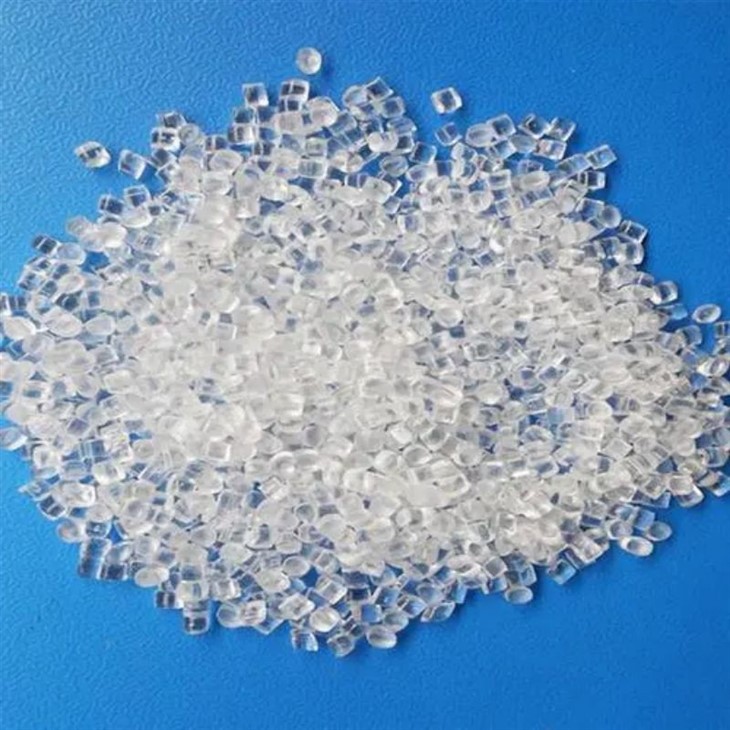
As a synthetic fiber raw material supplier, we offer a range of products that can be used to produce fibers with enhanced water - absorbent properties. Our Eco - friendly Polyester Granules are made from sustainable sources and can be easily modified using the techniques mentioned above. These granules are suitable for various applications, from textile manufacturing to non - woven fabric production.
Our Renewable Nylon Chips are another excellent choice. Nylon is known for its good mechanical properties, and by enhancing its water - absorbent properties, it can be used in more demanding applications such as sports apparel. The renewable nature of these chips also makes them an environmentally friendly option.
We also provide Recycled Polyester Material, which not only helps to reduce waste but can also be treated to improve water absorption. Recycling polyester reduces the environmental impact of the fiber production process, and with the right modifications, it can perform as well as virgin polyester in terms of water - absorbent capacity.
Conclusion
Enhancing the water - absorbent properties of synthetic fiber raw materials is a multi - faceted challenge that requires a combination of surface modification, additive incorporation, and structural design. As a supplier, we are committed to providing high - quality raw materials and supporting our customers in developing innovative solutions. By improving the water - absorbent properties of synthetic fibers, we can expand their applications in areas such as moisture - management textiles, medical dressings, and filtration systems.
If you are interested in our synthetic fiber raw materials and want to explore ways to enhance the water - absorbent properties for your specific applications, we invite you to contact us for a procurement discussion. Our team of experts is ready to assist you in finding the best solutions for your needs.

References
- Park, H. J., & Sun, G. (2003). Surface modification of polyester fabric by chemical treatment for improved dyeability and hydrophilicity. Journal of Applied Polymer Science, 89(12), 3392 - 3399.
- Morent, R., De Geyter, N., & Leys, C. (2008). Plasma surface modification of polymers for improved adhesion: a critical review. Journal of Adhesion Science and Technology, 22(8 - 9), 781 - 804.
- Zhang, X., & Wang, X. (2010). Preparation and properties of silica/polyester composite fibers. Fibers and Polymers, 11(2), 234 - 239.
- Chen, X., & Tao, X. M. (2004). Moisture management properties of knitted fabrics made of hollow polyester fibers. Textile Research Journal, 74(12), 1087 - 1094.