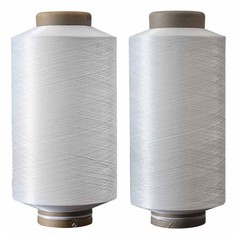
Fancy Yarn For Wool Sweaters
Description
Technical Parameters

SHENGFA: Your Professional Fancy Yarn Supplier!
Jiaxing Shengfa Trading Co., Ltd. is a comprehensive textile enterprise that integrates research, development, production, and sales. With over ten years of professional experience, we are dedicated to the production of warping heads, providing efficient warping solutions for our customers. The company currently employs over 100 individuals, including professional technical personnel and an experienced production team.
Our Advantages
Innovation-Based Product
We focus on innovation to meet diverse customer needs. Our main products include processing warping heads, well-warped heads, composite yarns, bright yarns, semi-dull yarns, polyester mother yarns, nylon mother yarns, and specialty yarns.
Customized Services Available
As a customer-oriented enterprise, we provide customized services for various textiles, composite yarn raw materials, and warping heads. We also assist customers in sourcing various textile products domestically, providing comprehensive solutions.
Extensive Sales Market
With excellent quality and excellent service, our products are exported to Germany, Europe, the United States, Singapore, South Korea, the Middle East, South America, and other countries and regions.
24-Hour Service
Our professional team can analyze and take samples based on the samples provided by customers to provide high-quality references. We can quickly solve any problems customers encounter.
Fancy Yarns for Sale Display
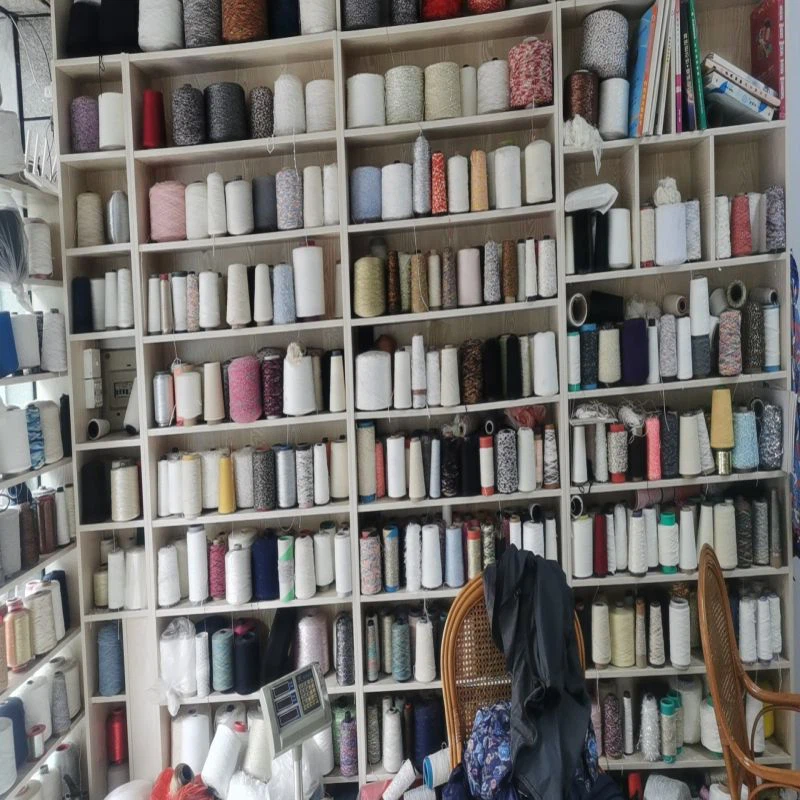
Fancy Yarn For Wool Sweaters refers to the use of unique and decorative yarns to add visual interest and texture to woolen garments. It offers a range of customizable design options, allowing you to create wool sweaters that reflect the latest fashion trends.

Fancy Yarn for Women's Fashion
Fancy Yarn for Women's Fashion undergoes a precision spinning process, ensuring the meticulous creation of complex patterns and textures, adding sophistication to women's fashion. It showcases intricate textural patterns that elevate the visual appeal of women's fashion.

Fancy yarn is a yarn that is used to enhance the beauty of apparel. Besides, it has functional properties too. Therefore, it is used in trims, clothing items, carpets, furnishing fabrics, and knitting industries.
Types of Fancy Yarns
Single Yarn
Single or one-ply yarns are single strands composed of fiber held together at least a small amount of twist or of filaments grouped together either with or without twist or of narrow strips of material or of single filament extruded in sufficient thickness for use alone as yarn (mono filaments). Single yarn of the spun type, composed of many short fibers require a twist to hold them together and may be made either S twist or Z twist. Single yarns are used to make the greatest variety of fabrics.
Ply Yarn
Ply yarn is plied or folded, yarns are composed of two or more single yarn twisted together. Two-ply yarn for example is composed of two single strands, three ply yarn is composed of three single strands. In making ply yarns from spun strands the individual strands are usually each twisted in one direction and then combined and twisted in the opposite direction. When both the single strand and the final ply yarns are twisted in the same direction, the fiber is firmer, producing a hard texture and reducing flexibility. Ply yarn provides strength for heavy industrial fabrics and is also used for delicate looking sheer fabrics.
Novelty Yarn
Novelty yarn includes a wide variety of yarns made with such a special effects as slubs, produced by intentionally including small lumps in the yarn structure and synthetic yarn with varying thicknesses introduced during production. Natural fibers including some linens, wool to be woven into tweed, and the uneven filaments of some types of silk cloths are allowed to retain their normal irregularities producing the characteristic uneven surface that can be modified during production and is especially adaptable for special effects such as crimping and texturising.
Textured Yarn
Texturising processes were originally applied to synthetic fibers to reduce such characteristics as transparency, slipperiness, and the possibility of pilling (the formation of small fiber tangles on a fabric surface). Texturising process makes the yarn more opaque, improves appearance, and texture, and increases warmth and absorbency. Textured yarn are synthetic continuous filament modified to impart special texture and appearance. In the production of abraded yarns, the surfaces are roughened and cut at various intervals and given added twist producing a hairy effect.
Advantages of Fancy Yarn
Aesthetic Appeal
Fancy yarns are specifically designed to create visual interest and unique effects in fabrics. They can feature irregular thickness, loops, curls, slubs, or other decorative elements that add texture and dimension to the fabric. This aesthetic appeal makes fancy yarns attractive for fashion and home decor applications.
Fashion Versatility
Fancy yarns open up a wide range of design possibilities in fashion. They can be used to create eye-catching patterns, embellishments, or accents in garments, accessories, and trims. The unique textures and colors of fancy yarns can help designers achieve a distinctive look and differentiate their products in the market.
Textural Variety
Fancy yarns offer a diverse range of textures not typically found in conventional yarns. They can provide softness, fluffiness, or bulkiness to fabrics, adding tactile appeal. By combining different types of fancy yarns, designers can create fabrics with a variety of surface finishes, from smooth and sleek to textured and nubby.
Enhanced Visual Depth
The variations in thickness, color, and texture of fancy yarns can create depth and dimension in fabrics. This can give the illusion of depth, making the fabric visually interesting and dynamic. The play of light and shadow on the textured surface of fancy yarns can add richness to the overall appearance of the fabric.
Application of Different Yarns


Acrylic Yarn
Acrylic yarn is a synthetic fiber that is popular among crafters for its affordability, durability, and versatility. It is often used to create blankets, hats, and other items that require a lot of wear and tear. Acrylic yarn is also great for beginners because it is easy to work with and forgiving of mistakes. One of the drawbacks of acrylic yarn is that it can be prone to pilling over time.
Wool Yarn
Wool yarn is a natural fiber that is derived from the fleece of sheep. It is known for its warmth, softness, and breathability, making it a popular choice for winter clothing and accessories. Wool yarn comes in many different varieties, including merino, alpaca, and cashmere, each with its own unique characteristics. One of the drawbacks of wool yarn is that it can be more expensive than synthetic fibers.
Cotton Yarn
Cotton yarn is another natural fiber that is popular among crafters. It is known for its softness, durability, and breathability, making it a great choice for summer clothing and accessories. Cotton yarn is also hypoallergenic, making it a good choice for people with sensitive skin. One of the drawbacks of cotton yarn is that it can be heavier than other fibers, making it less suitable for some projects.
Silk Yarn
Silk yarn is a luxurious natural fiber that is known for its strength, sheen, and drape. It is often used to create elegant and sophisticated garments and accessories. Silk yarn can be expensive, but it is worth the investment for special projects. One of the drawbacks of silk yarn is that it can be delicate and difficult to work with.
Nylon Yarn
Nylon yarn is a synthetic fiber that is known for its strength, durability, and elasticity. It is often used in sock yarn because of its ability to withstand wear and tear. Nylon yarn can be blended with other fibers to create yarns with unique properties.
Polyester Yarn
Polyester yarn is a synthetic fiber that is known for its durability, resistance to wrinkles, and ease of care. It is often used in blends with other fibers to create yarns that are easy to care for and maintain. Polyester yarn can be prone to pilling, but it is a great choice for projects that require low maintenance.
Tips for Choosing Appropriate Fancy Yarns
Match fiber content exactly or very closely to the recommended yarn. If your project calls for 100% acrylic, choose a substitute yarn that's acrylic or an acrylic blend. If you want to have natural fibers, you can use a superwash wool as a substitute. To get good results, make sure the fibers you choose have similar properties to the yarn the pattern designer recommends.
Get yarn with the right fiber memory. What is fiber memory? It's the ability of the yarn to bounce back into shape after getting wet or being stretched out. Does the yarn bounce back into shape or does it just grow and grow? Wool and most acrylics have good fiber memory and will retain their shape, so they're perfect for fitted projects like sweaters, hats, and socks. Silk and alpaca have very poor fiber memory, but have wonderful drape, so they're good for shawls. Make sure your substitute yarn has a similar fiber memory to the original.
Choose a fiber to match the season of the project. Does it need to be warm and cozy, or cool and breezy? Wool, alpaca, and silk are excellent warm fibers. Cotton and linen are great for cooler knits. Try to substitute a yarn with a similar level of warmth.
Choose yarn to match the needs of the person for whom you are knitting. I almost always knit baby stuff in acrylic, so parents can just throw them in the washing machine. Some people prefer natural fibers, so superwash wool makes a good substitute.
Make sure you're able to get gauge with your yarn. Try to choose a yarn in the same weight category. Go just one size up or down in yarn weight, and you'll struggle to adjust.
If you're not sure about your yarn choice, pop into your Local Yarn Store, or bring your choices to a knitting group or experienced knitter. It's always wise to get an informed second opinion.
Ultimate FAQ Guide to Fancy Yarn
Hot Tags: fancy yarn for wool sweaters, China fancy yarn for wool sweaters manufacturers, suppliers, factory, Warping Head for False Twist Yarn, Fancy Yarn for Women s Fashion, PBT POY, Well Warped Fully Dull Yarn, Polyester FDY Warping Head, Sunlight Polyester Composite Yarn
Previous
Sorona YarnSend Inquiry